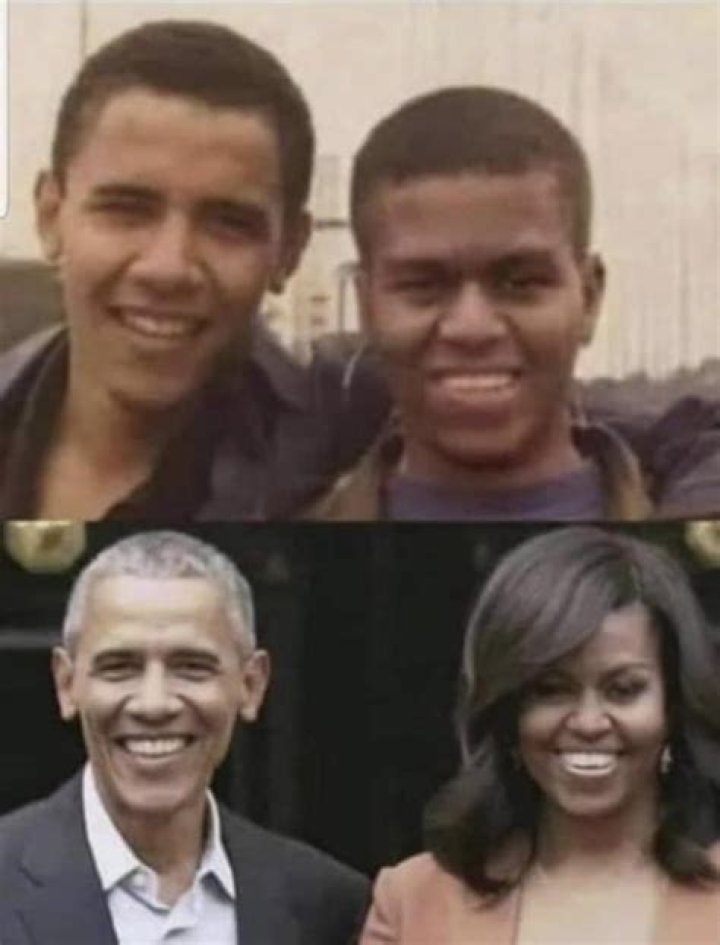
Exploring the Intellectual Legacy of Barack Obama

Michael Gray
Updated on January 18, 2026
As the 44th President of the United States, Barack Obama has been celebrated as a leader with remarkable intellectual capabilities. His ability to address complex global challenges and inspire millions has prompted curiosity about his intelligence quotient (IQ). This article delves into Obama's intellectual profile, exploring how his cognitive abilities have shaped his leadership style and left an indelible mark on American history.
Throughout his illustrious career, Barack Obama has demonstrated a unique blend of cognitive agility, strategic foresight, and problem-solving prowess. These qualities not only define his leadership but also underscore his legacy as a transformative figure in modern politics. By examining his intellectual foundation and its implications, we gain a deeper appreciation of what sets him apart as a leader.
This article aims to provide a comprehensive exploration of Barack Obama's IQ, its significance, and how it has influenced his decision-making processes. We will analyze various dimensions of intelligence, including cognitive abilities, emotional intelligence, and leadership qualities, offering insights into the multifaceted nature of his intellectual legacy.
The Life and Legacy of Barack Obama
To fully appreciate the intellectual depth of Barack Obama, it is essential to understand the context of his life and experiences. Born on August 4, 1961, in Honolulu, Hawaii, Obama grew up in a culturally diverse environment that profoundly influenced his worldview and intellectual curiosity. His multicultural background instilled in him a deep appreciation for global perspectives and a commitment to inclusivity.
Below is a summary of Barack Obama's key biographical details:
| Full Name | Barack Hussein Obama II |
|---|---|
| Date of Birth | August 4, 1961 |
| Place of Birth | Honolulu, Hawaii |
| Education | Columbia University (B.A.), Harvard Law School (J.D.) |
| Profession | Lawyer, Author, Professor, Politician |
| Presidential Term | January 20, 2009 – January 20, 2017 |
Key Milestones in Obama's Career
Barack Obama's career is marked by a series of achievements that highlight his intellectual capabilities and leadership acumen. From his early days as a community organizer in Chicago to his historic presidency, Obama has consistently demonstrated an ability to adapt, innovate, and inspire. His journey reflects a deep commitment to public service and a relentless pursuit of progress.
Understanding IQ and Its Importance
IQ, or Intelligence Quotient, serves as a standardized measure of cognitive abilities, evaluating a person's capacity for reasoning, problem-solving, and adapting to new situations. While IQ tests have faced criticism for their limitations, they remain a widely recognized tool for assessing intellectual potential. For leaders like Barack Obama, IQ plays a pivotal role in decision-making, strategic planning, and effective communication.
However, it is crucial to recognize that IQ represents only one facet of intelligence. Emotional intelligence, creativity, and practical skills are equally vital in determining success. Leaders who excel often possess a well-rounded blend of these attributes, enabling them to navigate complex challenges with confidence and clarity.
Types of Intelligence
- Logical Intelligence: The ability to solve problems using logic and analytical reasoning.
- Emotional Intelligence: The capacity to understand and manage emotions, fostering empathy and interpersonal connections.
- Creative Intelligence: The ability to think innovatively and generate original ideas, driving progress and change.
Unpacking Barack Obama's IQ
While there is no official record of Barack Obama's IQ score, estimates suggest it falls within the range of 140-160. This places him well above the average IQ of 100, reflecting exceptional cognitive abilities. However, it is important to approach these estimates with caution, as they are often based on anecdotal evidence rather than formal testing.
Obama's intellectual prowess is evident in his academic achievements, public speeches, and policy-making decisions. His ability to articulate complex ideas and resonate with diverse audiences underscores his high level of intelligence. Whether addressing global challenges or engaging with everyday citizens, his cognitive agility and adaptability shine through.
Factors Influencing IQ Estimates
Several factors contribute to the perception of Barack Obama's IQ, including:
- His academic accomplishments at prestigious institutions like Columbia University and Harvard Law School.
- His success in navigating intricate political landscapes and addressing multifaceted issues.
- His exceptional communication skills, which enable him to connect with audiences across cultural and demographic boundaries.
Beyond IQ: Measuring Intelligence Holistically
While IQ provides a valuable snapshot of cognitive abilities, it does not encompass the full spectrum of intelligence. Emotional intelligence, creativity, and practical skills are equally important in determining a person's success and influence. For leaders like Obama, the ability to empathize, think creatively, and adapt to evolving circumstances is indispensable.
These qualities complement traditional measures of intelligence, offering a more comprehensive understanding of intellectual capabilities. By embracing a holistic approach to intelligence, we gain a deeper appreciation of the attributes that define effective leadership.
Tools for Measuring Intelligence
There are several tools and frameworks for assessing intelligence beyond IQ, including:
- Emotional Intelligence (EQ) Tests: Evaluate a person's ability to understand and manage emotions, fostering meaningful relationships and effective communication.
- Creativity Assessments: Measure a person's capacity for innovative thinking, encouraging originality and problem-solving.
- Practical Intelligence Tests: Assess a person's ability to apply knowledge and skills to real-world situations, emphasizing adaptability and resourcefulness.
Key Leadership Traits and Cognitive Abilities
Effective leadership demands a harmonious blend of cognitive abilities, emotional intelligence, and practical skills. Barack Obama's success as a leader can be attributed to his exceptional problem-solving skills, strategic thinking, and ability to inspire and unite people toward a common vision. Research indicates that leaders with high IQ scores often excel in decision-making, strategic planning, and communication. However, emotional intelligence and interpersonal skills are equally vital in building trust and fostering collaboration.
Defining Leadership Traits of Barack Obama
- Empathy: The ability to understand and connect with others on an emotional level, bridging divides and fostering inclusivity.
- Resilience: The capacity to overcome challenges and adapt to changing circumstances, maintaining focus and determination in the face of adversity.
- Vision: The ability to articulate a clear and compelling vision for the future, inspiring others to work toward shared goals.
The Vital Role of Emotional Intelligence
Emotional intelligence (EQ) is a cornerstone of effective leadership, encompassing the ability to recognize, understand, and manage emotions in oneself and others. Barack Obama's high level of emotional intelligence has been instrumental in his success as a leader. His ability to connect with diverse audiences and navigate complex social dynamics demonstrates the profound impact of emotional intelligence in leadership.
Developing Emotional Intelligence
While some aspects of emotional intelligence are innate, others can be cultivated through practice and experience. Key strategies for enhancing EQ include:
- Practicing active listening and empathy to better understand the perspectives and needs of others.
- Developing self-awareness and emotional regulation skills to maintain composure and clarity in challenging situations.
- Seeking feedback and learning from experiences to continuously improve interpersonal effectiveness.
Barack Obama's Academic Journey
Barack Obama's academic achievements offer valuable insights into his intellectual capabilities. He earned a Bachelor of Arts degree in Political Science from Columbia University and a Juris Doctor degree from Harvard Law School, where he made history as the first African American president of the prestigious Harvard Law Review. His academic background has equipped him with the knowledge and skills necessary to address complex legal, economic, and social issues, reinforcing his reputation as a thoughtful and informed leader.
Impact of Education on Leadership
Education plays a pivotal role in shaping a leader's intellectual and leadership capabilities. For Barack Obama, his academic training has provided a solid foundation for his policy-making decisions and public service career. By combining theoretical knowledge with practical experience, he has consistently demonstrated the ability to tackle challenging issues with insight and innovation.
The Practical Impact of High IQ
While high IQ scores are often associated with success, their real-world impact depends on how they are applied. Barack Obama's intellectual capabilities have empowered him to address pressing challenges such as healthcare reform, climate change, and international diplomacy. However, IQ alone is insufficient for achieving meaningful outcomes. Emotional intelligence, creativity, and practical skills are equally essential in driving progress and fostering positive change.
Examples of Obama's Intellectual Contributions
- Passage of the Affordable Care Act (ACA), also known as Obamacare, revolutionizing healthcare access for millions of Americans.
- Leadership in addressing climate change through the landmark Paris Agreement, promoting global cooperation and sustainability.
- Advocacy for education reform and expanded access to higher education, emphasizing the importance of lifelong learning and opportunity.
Addressing Common Myths About IQ
Despite its widespread use, IQ is frequently misunderstood. Common misconceptions include the belief that IQ is a fixed measure of intelligence or the sole determinant of success. In reality, IQ represents just one aspect of overall intelligence and should be considered alongside other factors. For Barack Obama, his success can be attributed to a dynamic combination of cognitive abilities, emotional intelligence, and practical skills, enabling him to navigate complex challenges and inspire others.
Separating Fact from Fiction
Key facts about IQ include:
- IQ scores can fluctuate based on factors such as education, environment, and motivation, underscoring the importance of lifelong learning and development.
- Emotional intelligence and creativity are equally critical in determining success, highlighting the need for a balanced approach to intelligence.
- Leadership requires a multifaceted blend of cognitive, emotional, and practical skills, emphasizing the value of holistic development.
Conclusion: Reflecting on Obama's Intellectual Legacy
In conclusion, Barack Obama's IQ is merely one component of his intellectual legacy. His exceptional cognitive abilities, coupled with emotional intelligence and practical skills, have positioned him as a transformative leader in American politics. By examining the full spectrum of intelligence, we gain a deeper understanding of his contributions and the lasting impact of his leadership.
We encourage you to share your thoughts and reflections in the comments section below. Additionally, feel free to explore other articles on our site for further insights into leadership, intelligence, and related topics.